Presentation Training for Contractors: From Estimators to Executives

Contractors present more often than they realize. Estimators walk owners through preconstruction budgets, project managers brief clients on schedule updates, superintendents speak at safety meetings and neighborhood forums, and executives pitch for new work. Each of these moments shapes how clients view the firm, yet few contractors train for them. Presentation training for contractors builds the skill systematically, giving every role the tools to communicate clearly and credibly.
Match Training to the Role
A single generic workshop rarely fits an entire company. Executives need to master an interview pitch and relationship conversations. Project managers need to run owner meetings and present change orders. Superintendents need to brief crews and explain logistics to neighbors. Training that tailors exercises to each role feels relevant to participants, and they carry the lessons back to daily work.
Teach Clear Structure for Short Talks
Most contractor presentations are short and practical: a ten minute update, a pre-pour briefing, a bid review. Training focuses on a simple structure for these talks, stating the purpose, giving the key information, and ending with a clear next step. Participants practice the structure until they can apply it without notes, which makes routine meetings shorter and more productive.
Improve Visuals Without Over-Designing
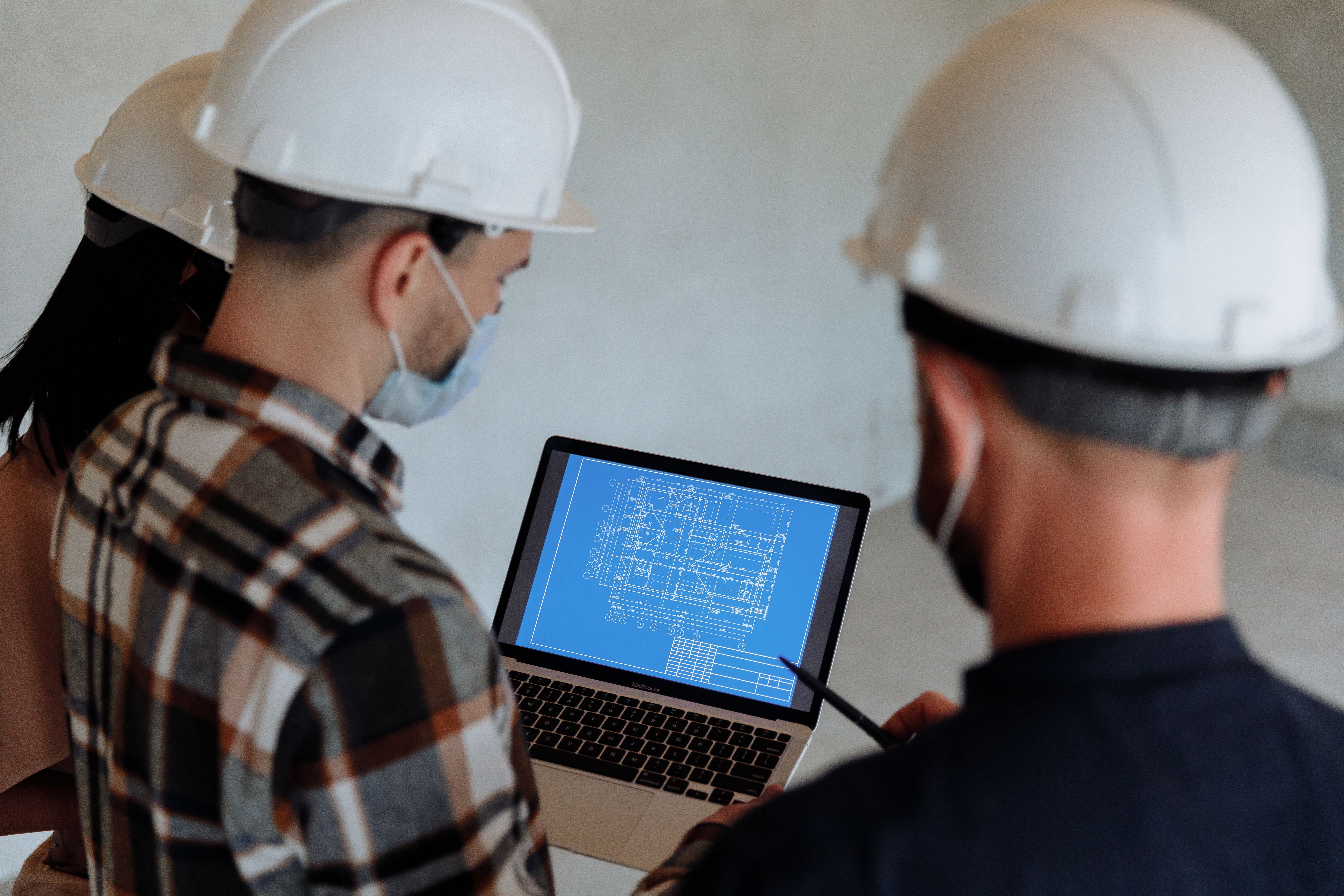
Many contractors rely on schedules, logistics plans, and photographs, and these can be powerful when used well. Training shows how to simplify a schedule to its critical path for a presentation, annotate a site plan so it can be read from across a room, and select photos that illustrate a point. Participants learn that clean, purposeful visuals matter more than elaborate design.
Develop Confidence in Front of Owners
Standing in front of an owner who is anxious about budget or schedule is stressful. Training includes role-play with realistic scenarios, such as explaining a delay or defending a cost increase. Participants practice staying calm, acknowledging the concern, and presenting a plan. The experience builds a reservoir of composure that carries into real conversations.
Measure the Results
Firms benefit from tracking outcomes after training. Indicators include interview win rates, owner feedback on clarity of meetings, and participant self-assessment. Collecting this information shows what is working and where more practice is needed, and it helps justify continued investment in the program.
Include Safety and Field Communication
Not every contractor presentation happens in a conference room. Toolbox talks, pre-task briefings, and site orientations are presentations too, and they carry real consequences when they fail. Training shows field leaders how to hold attention, speak clearly over noise, check for understanding, and invite questions without embarrassing anyone. A superintendent who communicates well in these moments builds a safer site and earns respect from the crews and the owner.
Prepare Bid Day and Interview Day Differently
A bid review with an owner is mostly a conversation about numbers and scope, while an interview is a test of trust and judgment. Training separates the two. For bid reviews, participants practice explaining assumptions and exclusions clearly. For interviews, they practice storytelling and team presence. Understanding the difference helps contractors choose the right materials and tone, and it keeps preparation efficient across a busy pursuit calendar. A final point worth building into any program is follow-up. Scheduling a short refresher three months after the initial sessions, with a few recorded talks and group feedback, keeps habits from slipping and signals that leadership regards communication as part of the job.
The Bottom Line
Presentation training lets contractors communicate more clearly with owners, crews, and communities. By matching exercises to roles, teaching simple structures, improving visuals, building confidence, and measuring progress, firms turn communication into a competitive strength.