Training Project Managers to Run Owner, Architect, and Engineer Meetings

Project managers at contractor firms spend a large part of their week in meetings: owner updates, architect coordination, trade partner sessions, and internal reviews. Few have been trained to run them. Most learned by watching someone else and adopting what seemed to work. Presentation training for contractors can improve this directly, because the same skills used to win an interview, such as clear structure, concise updates, and calm answers, also make weekly project meetings more productive.
Treat Meetings as Presentations
A project meeting is a presentation to an audience with decisions to make. A project manager who prepares a clear opening, a short list of issues, and the specific requests for each attendee will run a faster meeting than one who walks through an agenda line by line. Training starts by changing how project managers think about their role in the room.
Teach the Owner Update
An owner update has a recurring format: status, schedule, cost, risks, and decisions needed. Training helps project managers deliver it in ten minutes using a consistent set of slides or a one-page summary. Owners come to expect the format, which builds trust through predictability, and bad news is easier to share when the format is familiar.
Practice Presenting Bad News
Delays, cost overruns, and quality issues must be reported, and many project managers avoid or soften them. Training rehearses a direct approach: state the issue, explain the cause, describe the response, and name what is needed from the owner. A calm and specific report generally leads to a more cooperative conversation than a late or vague one.
Run Coordination Meetings With Purpose
Meetings with architects and engineers often drift into long discussions of individual details. Project managers trained to set a clear goal for each meeting, keep a visible list of open items, and end with named owners and dates keep the group focused. Training exercises include a mock meeting in which a facilitator plays a difficult participant.
Support the Field Team
Superintendents and foremen need information from the project manager in a usable form. Training teaches short briefings that cover the week's goals, the main hazards, and the coordination points with other trades. Good briefings reduce rework and improve safety, which gives the training a benefit beyond the conference room.
Build Skills Across the Firm
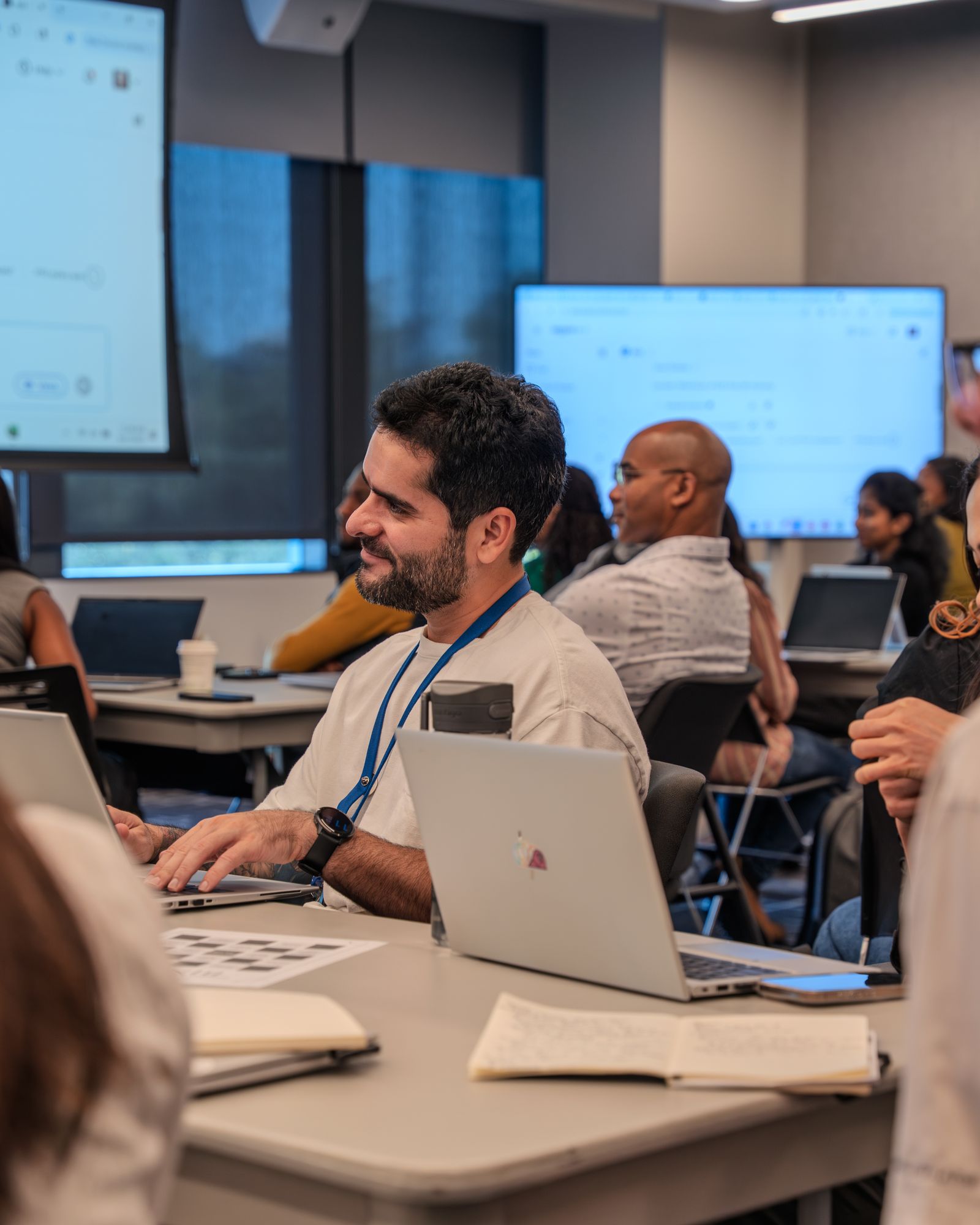
Training for project managers works best when estimators, superintendents, and executives take part, at least in some sessions. Group exercises let each role see the others' perspectives, such as what an estimator needs from a project manager at handoff. That shared understanding improves day-to-day communication.
Measure the Results
Firms can track simple indicators, such as meeting length, the number of open action items, and owner satisfaction scores. Over a few quarters, these show whether the training is changing behavior. Teams that revisit the material every six months keep the habits fresh and catch backsliding before it becomes the norm.
Start With the Meetings That Matter Most
Not every meeting needs full preparation. Training can help project managers decide which ones carry the most weight, such as the monthly owner review, the kickoff with a new trade partner, and the closeout walkthrough. Putting extra rehearsal into those sessions yields the greatest return and keeps the effort manageable for busy teams who cannot rehearse every call.
The Bottom Line
Presentation training is often treated as a pursuit tool for contractors, but its daily value shows up on projects. Project managers who can structure a meeting, report bad news clearly, and brief a field team keep owners informed and projects on track, and those same skills make the firm more persuasive when the next interview arrives.